Pro Rata Calculator UK- Pro Rata Tax Explained
If you start a new job part-way through the year, work reduced hours, take unpaid leave, or leave employment before the end of the tax year, your pay may be…

If you start a new job part-way through the year, work reduced hours, take unpaid leave, or leave employment before the end of the tax year, your pay may be…
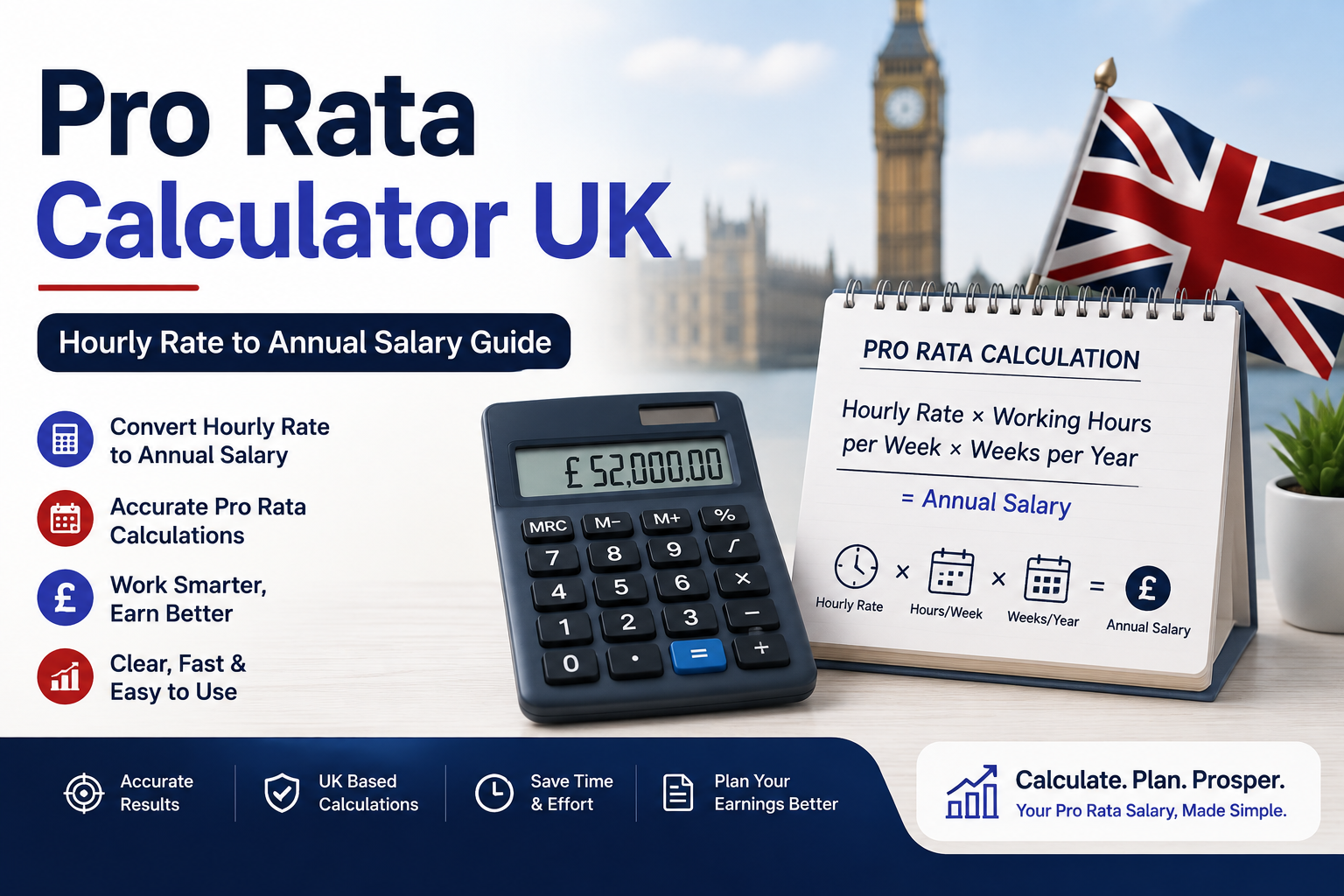
If you know your hourly pay but need to work out your annual salary, the calculation is usually straightforward. You multiply your hourly rate to annual salary by the number…
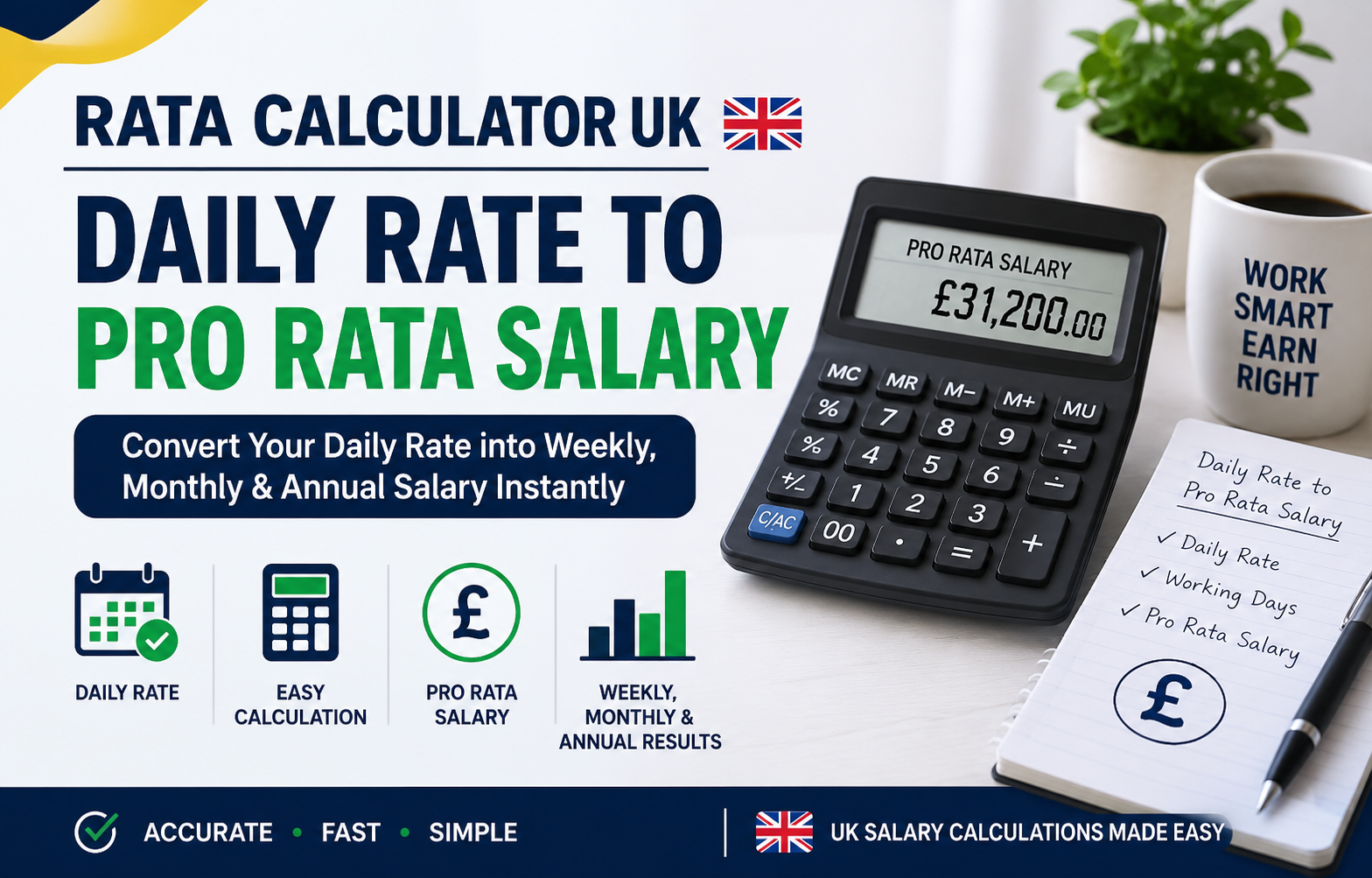
If you know your daily pay rate but need to work out what your salary would be on a pro rata basis, the calculation is usually straightforward. The important part…
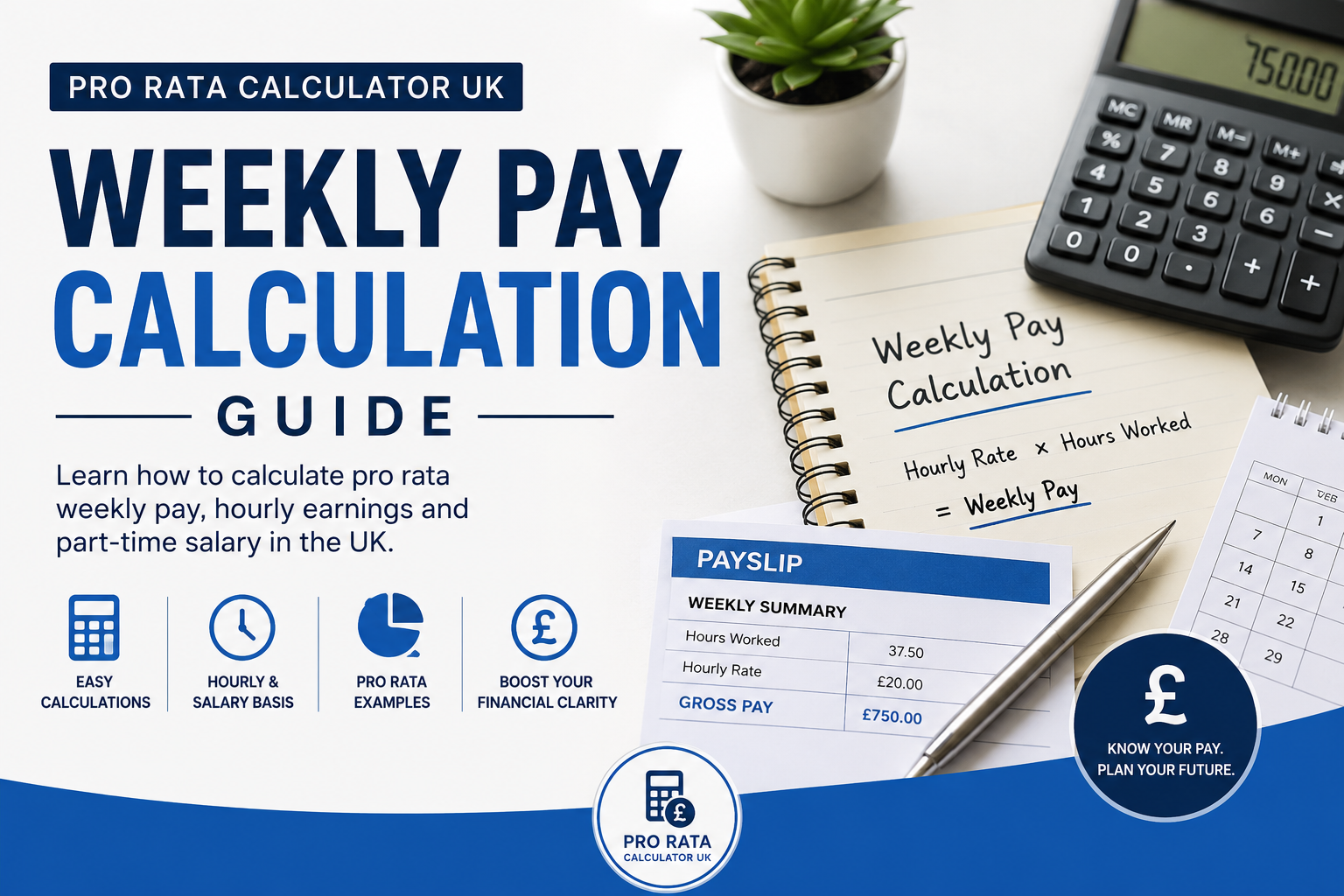
Understanding how your pay is calculated when you don't work a standard full-time schedule can be confusing. This is especially true for part-time employees, people who start or leave a…
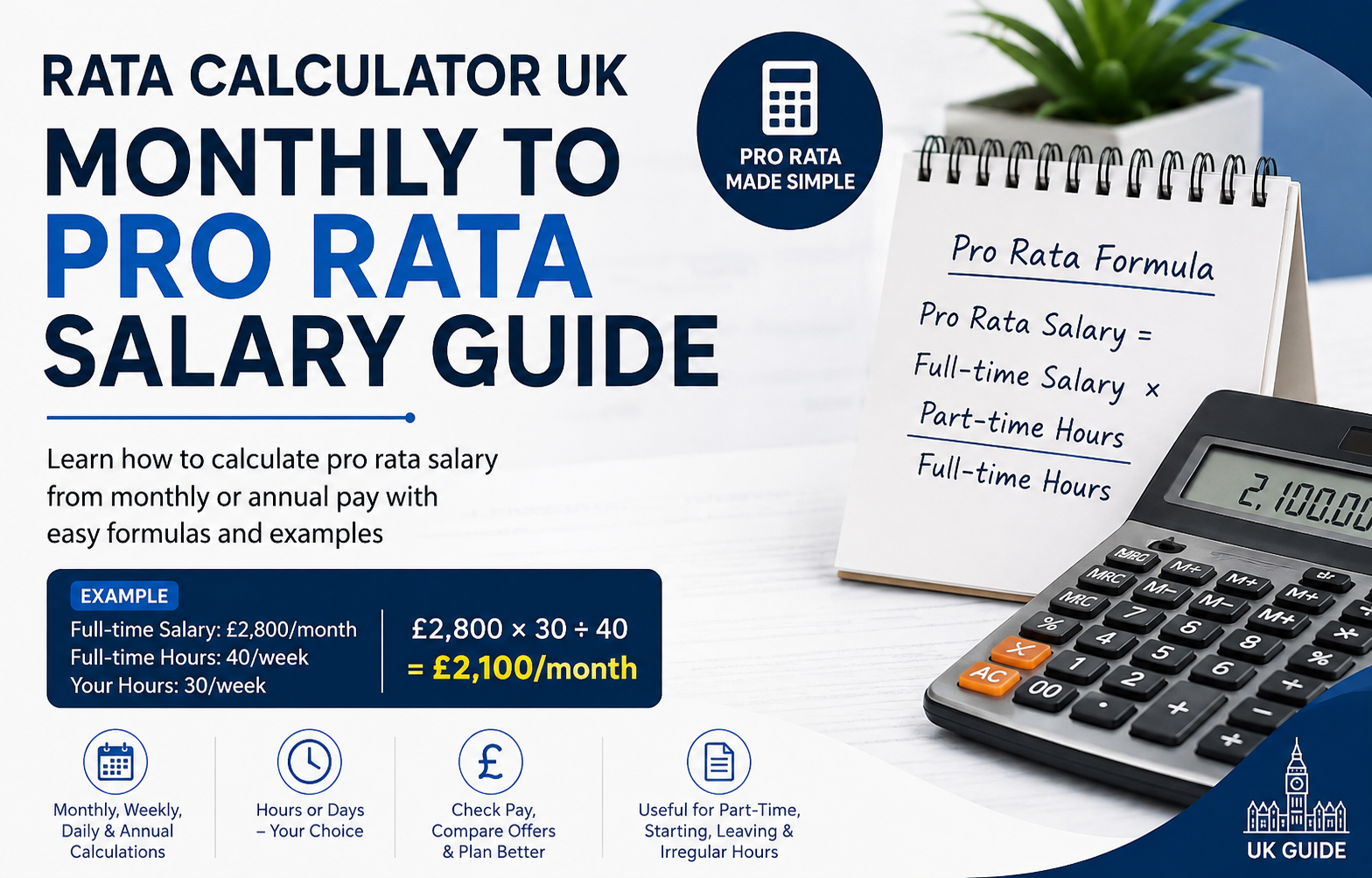
If you work part-time, change your working hours, start a job partway through the month, or leave before the end of a pay period, your salary may need to be…

Working an evening shift can affect your earnings in several ways. If you work fewer hours than a full-time employee, have reduced contractual hours, or receive an additional evening or…
Weekend work is common across the UK, especially in retail, hospitality, healthcare, customer service, logistics and other industries that operate outside the traditional Monday-to-Friday schedule. But if you work mainly…

A job share can be a practical way to work part-time while still sharing the responsibilities of a full-time role. But one of the first questions people usually have is:…
If you work for a local council and are employed part-time, your salary will usually be calculated on a pro rata basis. This means your pay is adjusted according to…

If you work for the UK Civil Service on a part-time, reduced-hours or job-share contract, your salary will usually be calculated on a pro rata basis. This means you receive…